Reasons to Visit the Riviera Nayarit
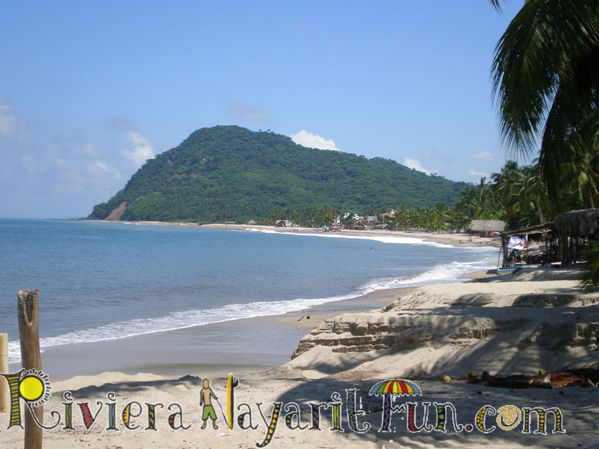
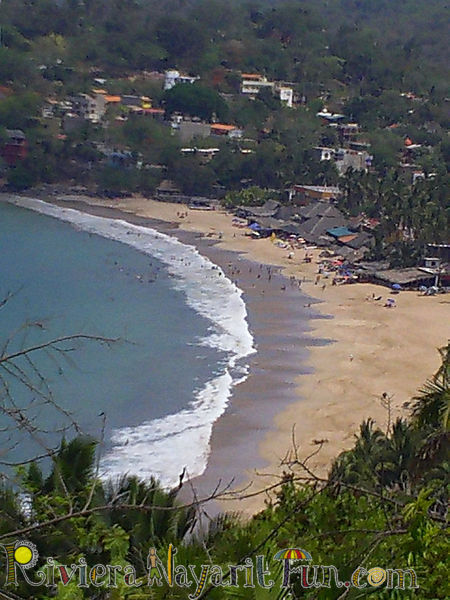
Lo de Marcos Beach
The Riviera Nayarit is the place of fairytales – a natural wonderland on the Pacific Coast of Mexico spanning 200 miles (322 kilometers) of rolling jungle hills scattered with small beach towns lining the deep blue sea. Although the region is not yet well-known, you may have heard of some of the more popular towns, such as Nuevo Vallarta, Sayulita, Punta de Mita, and San Blas.
The region is just gaining recognition worldwide as a preferred tourist destination with many natural wonders, cultural attractions, land and water activities. Recent statistics indicate there are over 12,840 hotel rooms in the region, 60% of which are 4-star rated and higher. More vacation rentals are being developed, but most are smaller, traditional villa or cabana styles to complement the traditional architecture of the region instead of building high-rise mega resorts.
Attractions & Activities
One of the main attractions of the Riviera Nayarit is this part of the Pacific Ocean. Forty-two miles (68 kilometers), from the state of Jalisco into Nayarit, is Bahia Banderas Bay, Mexico’s largest natural bay flourishing with fish and marine life, and is the primary breeding site for Humpback whales. Water activities include whale watching (mid-December through mid-March), swimming with dolphins, and sport fishing year round, plus sailing, boating, kiteboarding, surfing, snorkeling, and diving.
There are also plenty of land activities offering nature tours and sightseeing opportunities, such as hiking, horseback riding, mountain biking, four wheeling, and zip lining through the jungle. The tropical rainforests, lush jungles and valleys of the Sierra Madre Mountains and the thriving wetlands and mangroves have established Nayarit as an important ecological reserve.
Ecotourism & Wildlife
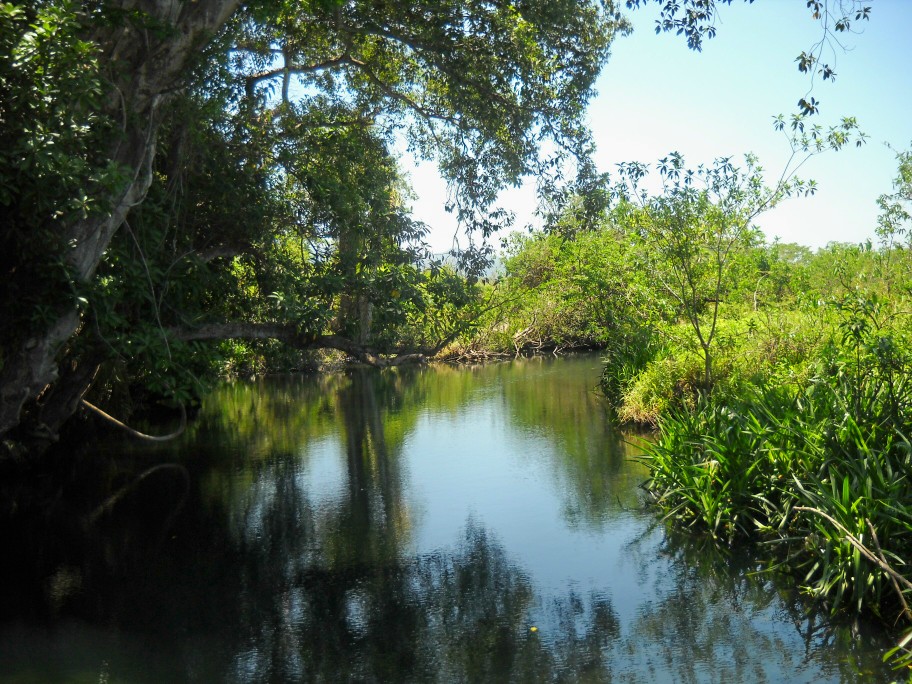
La Tovara Wetlands
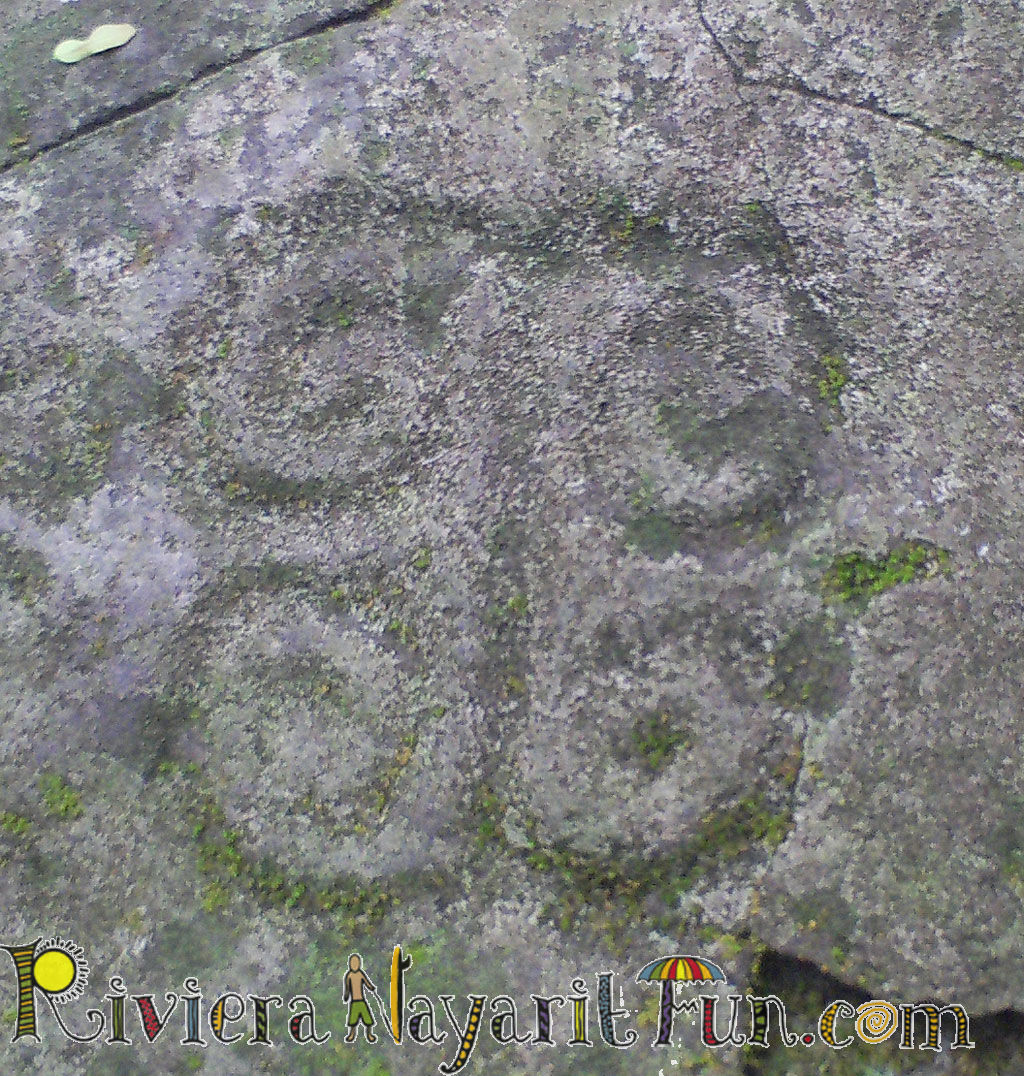
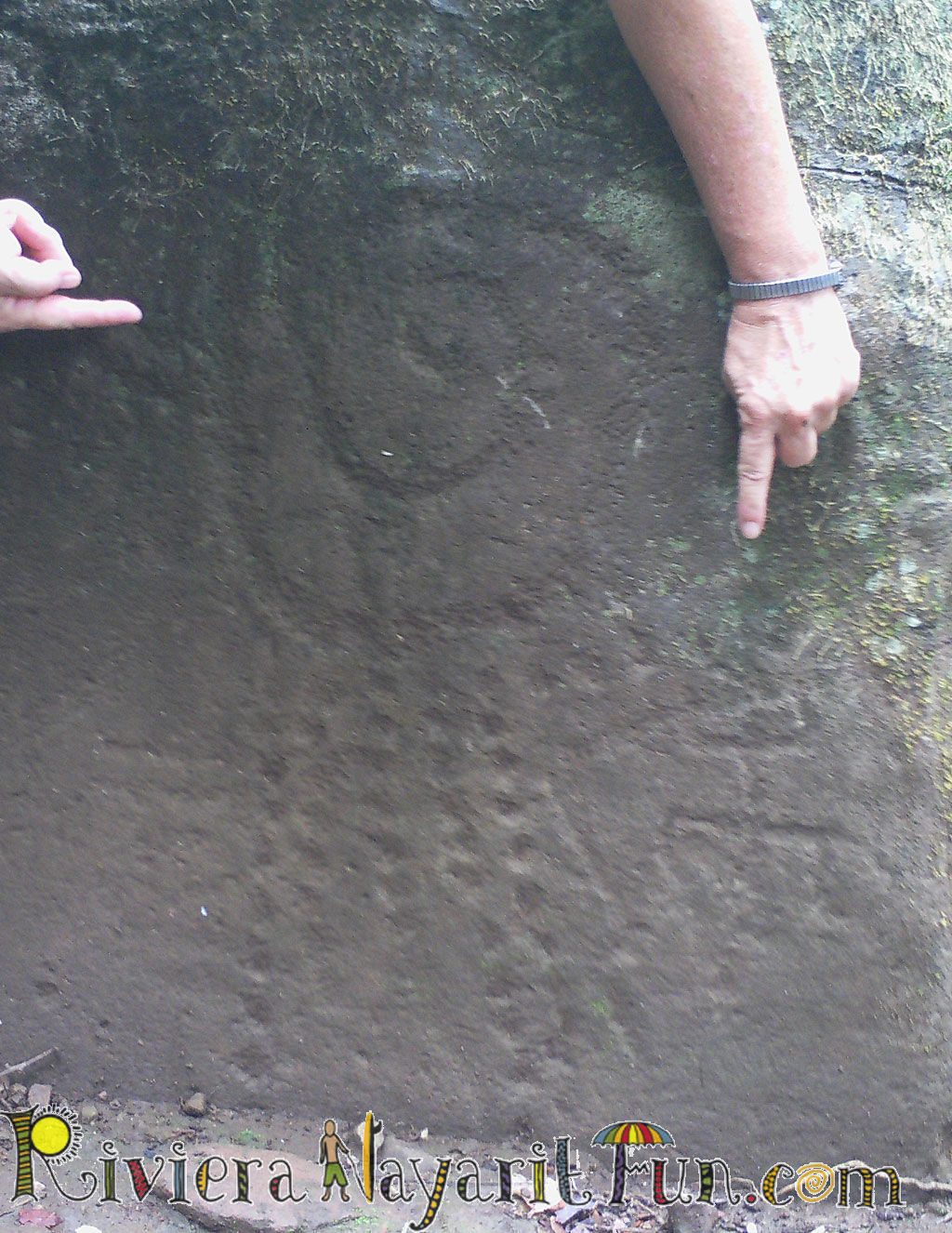
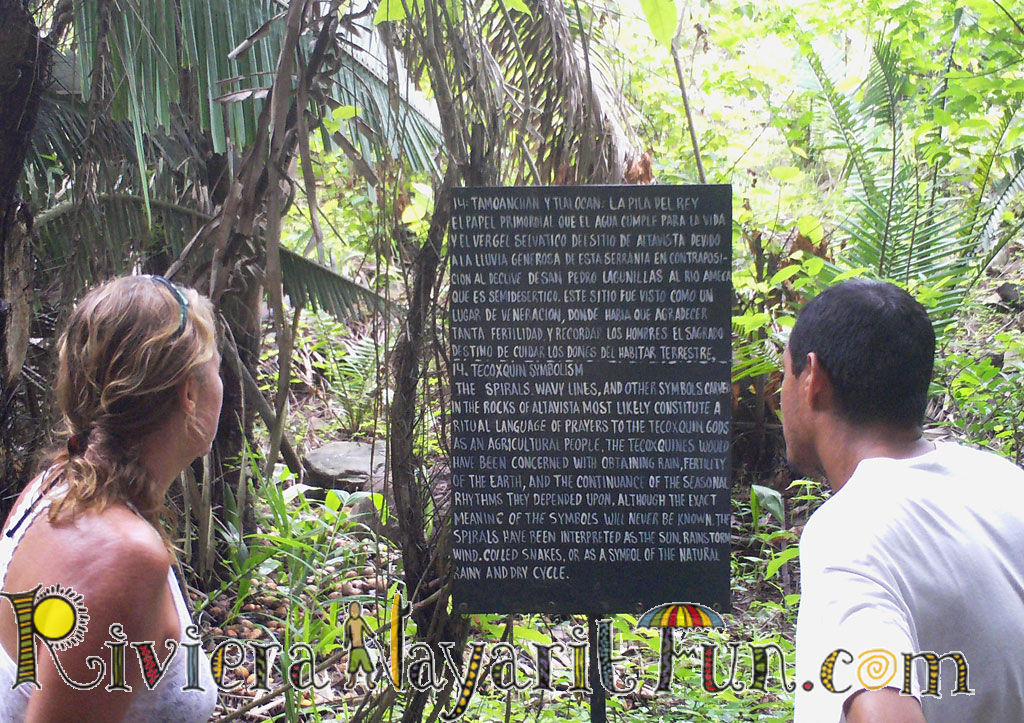
Nature conservation makes this a wonderful place for sustainable tourism (ecotourism or environmentally friendly tourism) which provides options to help preserve the world’s precious ecosystems and maintain the region’s natural beauty and cultural heritage. Nayarit is home to the historic Aztec Indians, such as the Cora and Huichol tribes, featuring a variety of cultural attractions such as archaeological sites like the Altavista Petroglyphs and Los Toriles (Ixtlán del Rio) Ruins, or tours like the Huichol Indian Encounter.
Another of Riviera Nayarit’s ecological contributions is its endangered sea turtle conservation programs. The region is home to the Olive Ridley, Hawksbill, Leatherback, and Green sea turtles which nest on its golden sand beaches certain times of the year. Their fragile eggs and hatchlings require protection from predators, which have resulted in turtle sanctuaries, farms, and rescue programs that provide opportunities for travelers to observe them in their natural habitat and participate in baby turtle release programs into the ocean.
Not only are the oceans flourishing with fish and marine life, but Nayarit’s rainforests, wetlands, and mangroves are also a refuge for wildlife, including 500 animal species and 200 plant species. The marshes and beaches of Bahia Banderas Bay and Bahia Jaltemba Bay, just north, are a natural habitat for migratory birds, making birding and bird watching another popular activity. In fact, 80% of the migratory birds along the Pacific Coast make their homes in the towns of La Tovara, Singaita, Isla Isabel, and San Blas, the latter which is home to 300 bird species.

Beach at Punta de Mita
So the next time you begin vacation planning, consider visiting one of the lovely beach towns in the Riviera Nayarit: Nuevo Vallarta, Flamingos, Bucerias, La Cruz de Huanacaxtle, Destiladeras, Punta de Mita, Litibu, Sayulita, San Pancho (San Francisco), Lo de Marcos, Punta Raza, Los Ayala, Rincon de Guayabitos, La Penita de Jaltemba, El Capomo, Chacala, Boca de Chila, Punta Custodia, Matanchen, and San Blas, although there are still more.



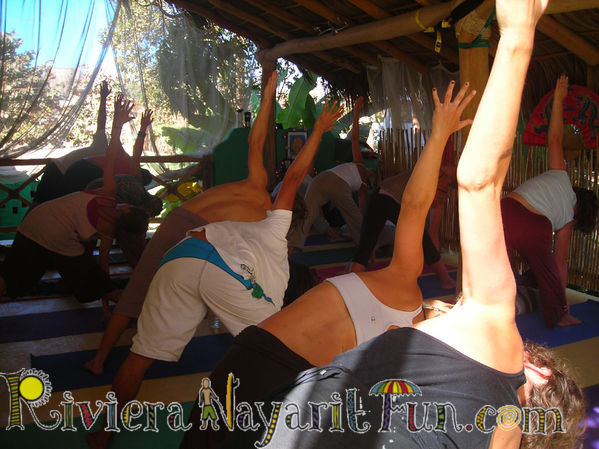
 The word yoga comes from the Sanskrit term meaning “union” or “yoke”. Therefore, the practice of yoga seeks to create unity between the mind, body, and spirit of a person. Yoga is an ancient tradition that subscribes to no religion. It began in India more than 5000 years ago and was used as a tool to help yogis reach nirvana. Today, the ultimate goal of yoga is still to reach nirvana; however, today in this modern age of society, its positive effects can be seen and felt every day through deeper relationships, more focused career paths, a healthier physical body, and a simpler, more honest way of communicating with ourselves and others. Whether you want to lose weight and get fit, reduce stress and cope with life better, or explore your own spiritual path, yoga offers a way to cultivate personal awareness with more than physical relaxation. It can be a pathway to a greater understanding of the question “who am I?”